Trading Analytics And Fundamental Analysis
On Dec. 15, 2017, the shares of Gilead Sciences (NASDAQ:GILD) increased $1.23 to $75.57 (for 1.65% profits). Based in Foster City, CA, the firm focuses on the innovation and commercialization of drugs that treat HIV/AIDS, liver diseases, cancer, inflammatory and respiratory disorders, and cardiovascular conditions.
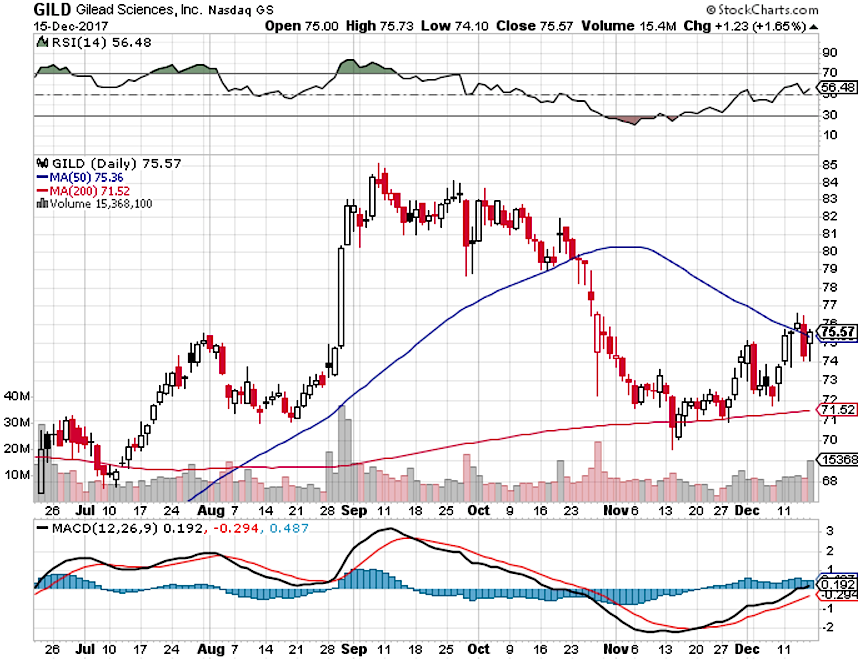
Figure 1: Gilead stock chart (Source: StockCharts)
At Integrated BioSci Investing, we"ve covered the lead molecule GS-9674 that we assess will post positive results for the phase 2 trial. By activating FXR, the said drug can potentially treat NASH as well as delivering numerous other regenerative benefits. Back in Nov. 2016, the ASK-1 inhibitor (selonsertib) showed favorable results for NASH in the phase 2 trial (and is being studied in the phase 3 study).
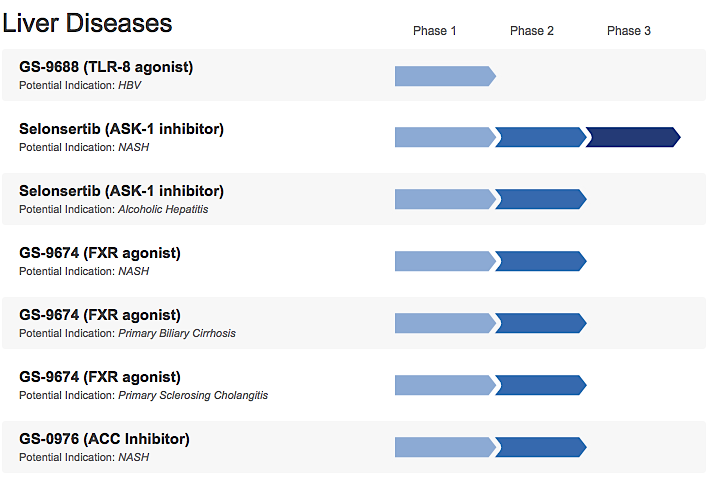
Figure 2: Therapeutic pipeline. (Source: Gilead)
Selonsertib Molecule Analysis
As the investigational apoptosis signal-regulating (i.e. a serine/threonine) kinase 1 ("ASK1") inhibitor, selonsertib (formerly GS-4997) is currently in the phase 3 trial as a potential drug to treat the liver disease, nonalcoholic steatohepatitis ("NASH"). The said drug works by potentially preventing cell death (i.e. apoptosis).
As a subset of nonalcoholic fatty liver disease ("NAFLD"), NASH is differentiated from NAFLD by inflammation, cell death (apoptosis), and fibrosis. We mentioned in the prior article that NASH is highly prevalent in the US population. And it is associated with other comorbidities, including Type 2 diabetes, obesity, metabolic syndrome, and insulin resistance.
A formal diagnosis is made with a liver biopsy. Moreover, treatment is geared at therapeutic lifestyle changes ("TLC") along with vitamin E. Notwithstanding, the current treatments are inadequate, thereby creating a strong demand for better pharmacologic options. Without adequate management, NASH will progress to liver fibrosis and cirrhosis (conditions having high morbidities and mortality).
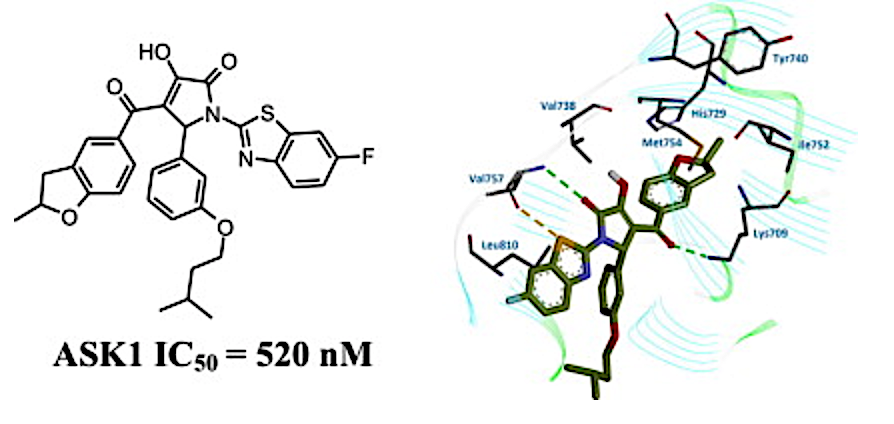
Figure 3: ASK1 Inhibitor (Source: ScienceDirect)
Phase 2 Trial
Selonsertib completed its phase 2 trial that assessed 72 patients suffering from NASH with stage 2 or 3 fibrosis. Those patients were randomized to receive the 24-week treatment of selonsertib (dosed at either be 6 mg or 18 mg) with or without the 125 mg simtuzumab injection or just simtuzumab alone.
The treatment effect was measured by paired pre- and post-treatment liver biopsies, magnetic resonance elastography ("MRE"), and magnetic resonance imaging-estimated proton density fat fraction ("MRI-PDFF"). No significant adverse events were shown among the treatment groups. Of note, the study results were shown in figure 4.
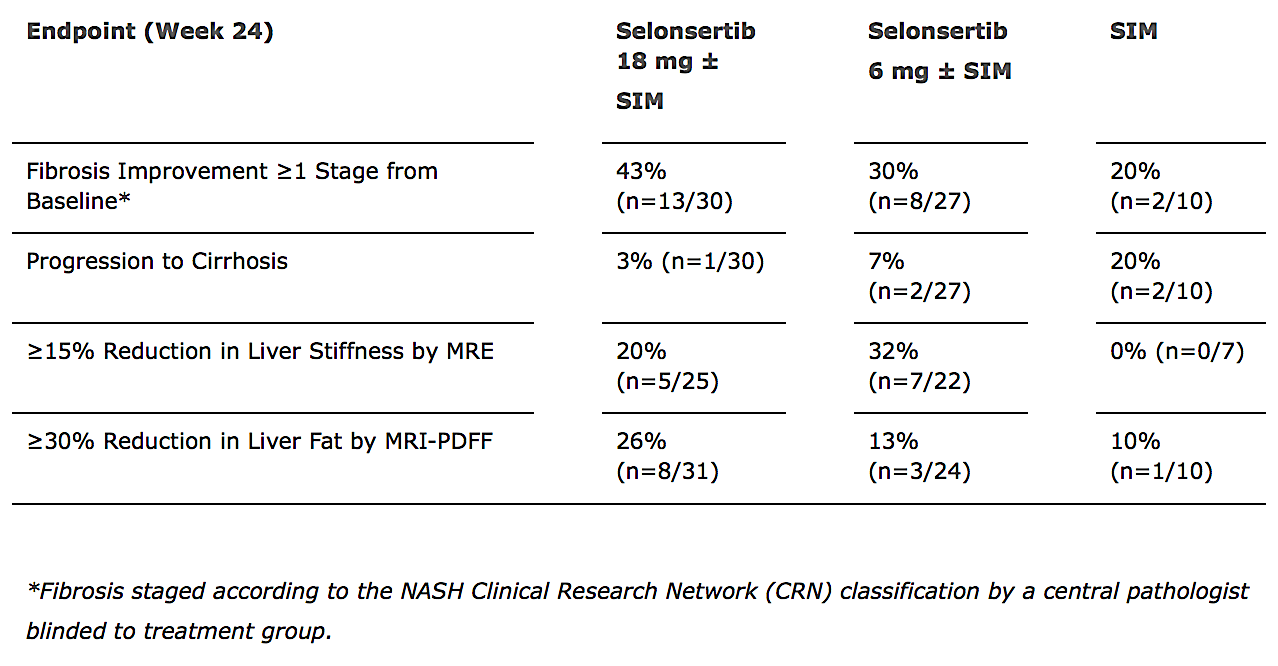
Figure 4: Selonsertib phase 2 trial results (Source: Gilead)
Phase 3 Trial
Based on encouraging phase 2 study results, Gilead pushed forward with the phase 3 trial. As depicted in figure 5, the randomized, double-blinded, placebo-controlled study seeks to evaluate the safety and efficacy of selonsertib in about 800 patients with compensated cirrhosis due to NASH.
Started on January 30, 2017, the study is estimated to complete in Oct. 2023. The final data collection for the primary outcome measures is set for Jan. 2020. The stated primary outcomes assess the following: (1) The proportion of patients who are achieving at least one stage improvement in fibrosis according to the Clinical Research Network ("CRN"), and (2) the Event-Free Survival ("EFS") at week 240 as assessed by the time to the First Clinical Event.
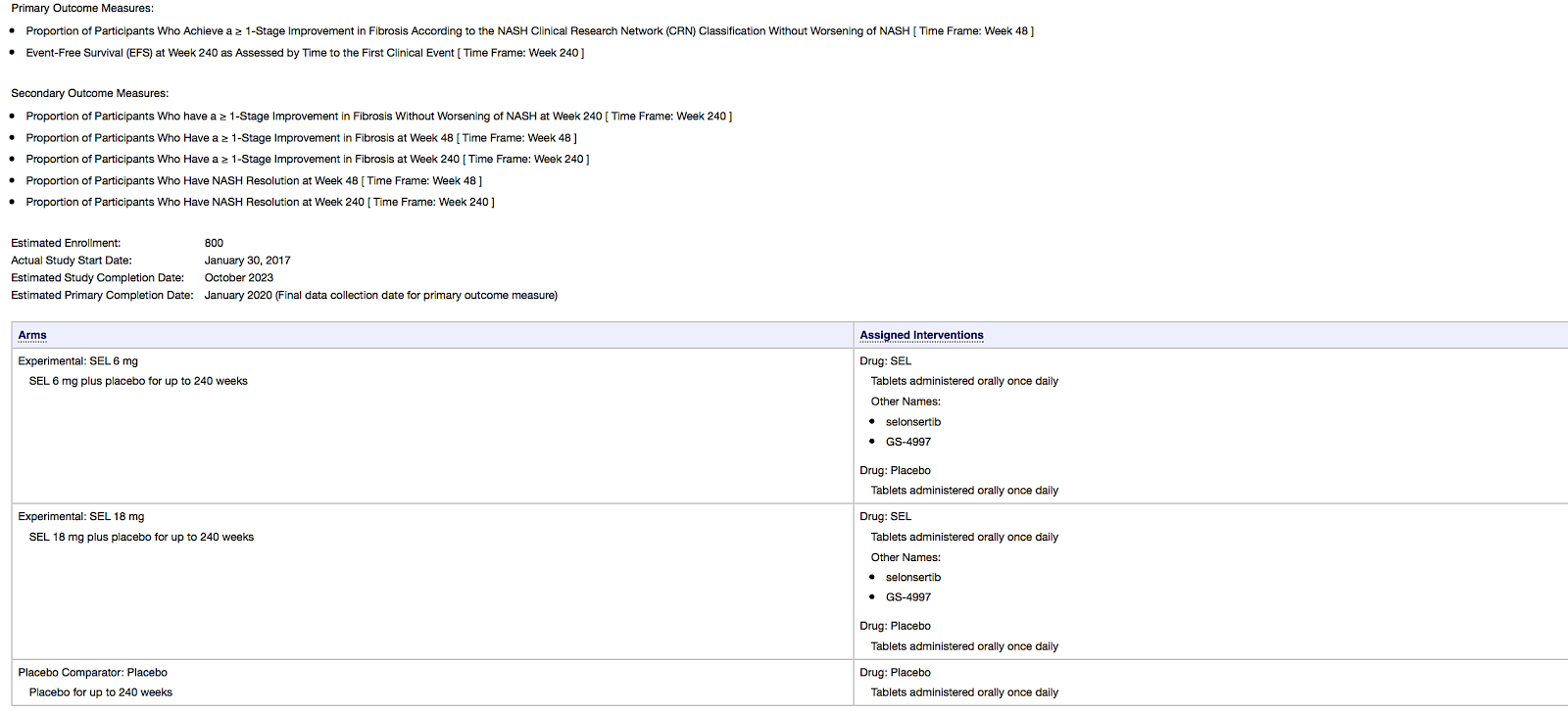
Figure 5: Selonsertib phase 3 trial (Source: ClinicalTrial.gov)
Aggregate Trials Data Analysis
Leveraging our Integrated BioSci framework of "molecule analysis" - that took into account different scoring variables, including available trial data ("TDV"), structural design ("SDV"), clinical trial set ups ("TSV"), and disease specificity (DSV) - we prognosticated (with at least 70% certainty) that selonsertib will not pass its phase 3 data.
Despite the aforestated findings, selonsertib is an invaluable molecule that indeed shows efficacy and safety in treating NASH: it simply needs to be prescribed along with GS-9674 to demonstrate robust outcomes (i.e. curing NASH fibrosis/cirrhosis). Of all molecules we"ve assessed, the aforesaid combinations would highly likely be the silver bullet for NASH; this combinations treatment will most likely enable Gilead"s NASH franchise to trump all existing competitors.
Author Note: We"re honored that you took the time out of your busy day to read our market intelligence. Founded by Dr. Hung Tran, MD, MS, CNPR, (in collaborations with Dr. Tran BioSci analyst, Ngoc Vu, and other PhDs), Integrated BioSci Investing marketplace research is delivering stellar returns since inceptions. To name a few, Nektar Therapeutics procured more than 190% profits while Spectrum Pharmaceuticals (SPPI) delivered over 180% gains. Our secret sauce is extreme due diligence coupled with expert data analysis. The service features a once-weekly exclusive in-depth Integrated BioSci article (in the form of research, reports, or interviews), daily individual stocks consulting, and model portfolios.
Notably, we"ll increase prices soon. Subscribe to our Marketplace research now to lock in the legacy price and save money in the future. To receive real-time alerts on our articles as well as blogs, be sure to check out our profile page and click on the orange Follow button. Besides the exclusives, this article is the truncated version of the research we published in advance to IBI subscribers. Further, you can read up on Dr. Tran’s background by following this link.
Disclosure: I/we have no positions in any stocks mentioned, and no plans to initiate any positions within the next 72 hours.
I wrote this article myself, and it expresses my own opinions. I am not receiving compensation for it (other than from Seeking Alpha). I have no business relationship with any company whose stock is mentioned in this article.

No comments:
Post a Comment