WASHINGTON (Reuters) - Wireless companies Sprint Corp and T-Mobile US Inc have informed the Federal Communications Commission that they will formally file an application asking for approval to merge on Monday, according to a document seen by Reuters.
A smartphones with Sprint logo are seen in front of a screen projection of T-mobile logo, in this picture illustration taken April 30, 2018. REUTERS/Dado Ruvic/Illustration
The document, which was filed to the FCC on Thursday, also requests a protective order that would shield sensitive corporate information from public view.
The two companies, which are the third- and fourth-largest wireless carries, agreed to a $ 26 billion all-stock deal in April that they said would create thousands of jobs and help the United States beat China to creating the next generation mobile network.
Two areas of potential regulatory concern focus on the companies’ large market share for prepaid and wholesale customers.
Neither Sprint nor T-Mobile immediately responded to a request for comment.
Reporting by David Shepardson; Writing by Diane Bartz; Editing by Dan Grebler
BEIJING/SHANGHAI (Reuters) - China is yet to approve U.S. chipmaker Qualcomm Inc’s (QCOM.O) proposed $ 44 billion acquisition of NXP Semiconductors (NXPI.O), three people close to the talks said, dismissing an earlier media report that said Beijing had already greenlit the deal.
FILE PHOTO: A sign on the Qualcomm campus is seen in San Diego, California, U.S. November 6, 2017. REUTERS/Mike Blake/File Photo
Chinese clearance would remove a long-running roadblock to the deal that has become entangled with broader trade tensions between the United States and China. The acquisition has already got a nod from eight of the nine required global regulators, with China being the only hold-out.
Hong Kong-based South China Morning Post reported on Friday morning that China had given its go-ahead to the deal, citing people with knowledge of the matter, driving up shares of the U.S. firm in extended trade.
FILE PHOTO: A man works on a tent for NXP Semiconductors in preparation for the 2015 International Consumer Electronics Show (CES) at Las Vegas Convention Center in Las Vegas, Nevada, U.S. January 4, 2015. REUTERS/Steve Marcus/File Photo
But Reuters sources, who are close to the Qualcomm-NXP deal, said they were not aware of any Chinese approval. One of them said planned U.S. tariffs on Chinese goods expected to be unveiled later in the day could impact the process.
Qualcomm did not have an immediate comment on Friday, while NXP did not respond to a request for comment.
China’s State Administration for Market Regulation, the regulator which reviews merger deals, did not immediately respond to a faxed request for comment.
Qualcomm met with regulators in Beijing last month in a bid to secure a clearance, but sources at the time said an approval would depend on the progress of broader bilateral talks and the U.S. government lifting a crippling supplier ban on telecoms equipment maker ZTE Corp (000063.SZ)(0763.HK).
Washington and Beijing have struck a deal to help ZTE back into business. However, trade talks remain in the balance with U.S. President Donald Trump expected to unveil “pretty significant” tariffs on Chinese goods on Friday.
Analysts said a Chinese approval would be significant as it would remove the last major barrier to the NXP deal, which is seen as key for Qualcomm to diversify its business and make a push into new areas like smart cars.
Qualcomm initially announced its bid for Dutch semiconductor company NXP in October 2016.
Reporting by Michael Martina and Matthew Miller in BEIJING, Adam Jourdan in SHANGHAI and Nikhil Subba in BENGALURU; Editing by James Dalgleish, Grant McCool and Himani Sarkar
BEIJING (Reuters) - Washington and Beijing are nearing a deal that would remove an existing U.S. order banning American firms from supplying Chinese telecommunications firm ZTE Corp, two people briefed on the talks told Reuters.
FILE PHOTO - Visitors pass in front of the Chinese telecoms equipment group ZTE Corp booth at the Mobile World Congress in Barcelona, Spain, February 26, 2018. REUTERS/Yves Herman/File Picture
The people, who declined to be identified because the negotiations were confidential, also said the deal could include China removing tariffs on imported U.S. agricultural products, as well as buying more American farm goods.
ZTE, hit by a seven-year ban in April which effectively crippled its operations, would gain a major reprieve after the world’s two largest economies stepped back from the brink of a fully blown trade war following talks last week.
The company did not immediately reply to requests for comment.
White House advisors have said publicly that the ban against ZTE is being reexamined, but that the firm would still face “harsh” punishment, including enforced changes of management and at board level.
One person told Reuters there was a “handshake deal” on ZTE between U.S. Treasury Secretary Steven Mnuchin and Chinese Vice Premier Liu He during talks in Washington last week that would remove the U.S. Commerce Department’s ban on American companies selling to ZTE in exchange for the purchase of more U.S. agricultural products.
The second person said China may also eliminate tariffs on U.S. agriculture products it assessed in response to U.S. steel duties as a part of the deal, and that ZTE could still be forced to replace its corporate leadership, among other penalties.
Both sources said the deal, while not yet cemented, was likely to be finalised before or during a planned trip by U.S. Commerce Secretary Wilbur Ross to Beijing next week to help finalize a broader trade agreement to avert a trade war.
The company, publicly traded but whose largest shareholder is a Chinese state-owned enterprise, had been hit with penalties for breaking a 2017 agreement after it was caught illegally shipping U.S. goods to Iran and North Korea, in an investigation dating to the Obama administration.
Reporting by Michael Martina; Additional reporting by Se Young Lee and Adam Jourdan; Editing by Muralikumar Anantharaman
Looking for a new deal? In MLP land, there have been a few GP/Yieldco consolidations over the past few months, and we just came across another one, which looks rather interesting for income investors.
Tallgrass Energy GP LP (TEGP) is the parent/GP of Tallgrass Energy Partners LP (TEP) and has interests in a group of energy-related entities. On 3/26/18, TEGP announced a merger with TEP, in which TEP unitholders will receive two TEGP units for each TEGP unit they own.
TEGP"s earnings are virtually synonymous with TEP"s, which stem from midstream operations in the western U.S.
Tallgrass Energy GP LP, through its interests in Tallgrass Equity LLC, provides crude oil transportation services to customers in Wyoming, Colorado, and the surrounding regions of the United States. The company operates through three segments: Natural Gas Transportation; Crude Oil Transportation; and Gathering, Processing & Terminalling.
Tallgrass owns and operates more than 6,700 miles of natural gas pipeline and about 760 miles of crude pipeline across a broad portion of the U.S. It also has one of the industry"s leading water reclamation programs situated in close proximity to producers. (Source: TEGP site)
To say that the Tallgrass corporate setup was complex would be an understatement - trying to decipher this setup reminded us of those Franz Kafka novels we read in English Lit. 101:
On the Q4 "17 earnings call, management referenced the fact that there"s a potentially valuable tax shelter available for the company.
"TEGP has a deferred tax asset of $ 313.0 million which is the expected tax benefit of available future deductions that offset future taxable income. It is currently expected that no cash taxes will be paid by TEGP for a period estimated to exceed 10 years".
However, it"s uncertain if regulators will allow the new entity to use this asset or not.
Distributions
Here"s how the upcoming May distributions look for TEGP and TEP.
TEGP increased its quarterly payout by 37%, from $ .3675 to $ .4875, and was currently yielding 9.87%, at a price/unit of $ 19.75, as of 4/12/18 intraday. TEP"s distribution is $ .975, (2x TEGP"s). Both payouts go ex-dividend on 4/27/18.
Both companies have good quarterly distribution hike streaks going - TEP has raised their payouts for 19 straight quarters, while TEP has an 11-quarter streak.
We"ve added this July trade to our Covered Calls Table, which tracks over 25 covered call trades on a daily basis. With the heightened volatility in 2018, we"re finding higher option premiums, which help to hedge vs. price declines.
The July at the money $ 20.00 call strike pays $ 1.20/unit, for an annualized yield of ~22%.
in 2017, TEP had far and away the best distribution coverage, at 1.47X. As detailed above, the new entity, TGE, will probably have coverage of ~1.20X, which is in line with this group"s average. TEP"s Price/DCF of 7.41X is lower than the group"s 8.82X average, as are its Price/Book of 1.97X, and its EV/EBITDA of 7.54X:
Disclosure:I am/we are long DKL, TEGP, MMLP, PBFX, ETP.
I wrote this article myself, and it expresses my own opinions. I am not receiving compensation for it (other than from Seeking Alpha). I have no business relationship with any company whose stock is mentioned in this article.
LONDON (Reuters) - One of the biggest bitcoin exchanges has struck a rare deal which will allow it to open a bank account with Britain’s Barclays, making it easier for UK customers of the exchange to buy and sell cryptocurrencies, the UK boss of the exchange said on Wednesday.
Workers are seen in at Barclays bank offices in the Canary Wharf financial district in London, Britain, November 17, 2017. Picture taken November 17, 2017. REUTERS/Toby Melville
Large global banks have been reluctant to do business with companies that handle bitcoin and other digital coins because of concerns they are used by criminals to launder money and that regulators will soon crack down on them.
San Francisco-based exchange, Coinbase, said its UK subsidiary was the first to be granted an e-money license by the UK’s financial watchdog, a precursor to getting the banking relationship with Barclays.
The Barclays account will make it easier for British customers. Previously, they had to transfer pounds into euros and go through an Estonian bank.
“Having domestic GBP payments with Barclays reduces the cost, improves the customer experience...and makes the transaction faster,” said Zeeshan Feroz, Coinbase’s UK CEO.
The UK is the largest market for Coinbase in Europe, and the exchange said its customer base in the region was growing at twice the rate of elsewhere.
A collection of Bitcoin (virtual currency) tokens are displayed in this picture illustration taken December 8, 2017. REUTERS/Benoit Tessier/Illustration
Feroz said that it took considerable time to get a UK bank on board, partly because Barclays needed to be sure that Coinbase had the right systems in place to prevent money laundering.
Regulators across the globe have warned that cryptocurrencies are used by criminals to launder money, and some exchanges have been shut down.
“It’s a completely brand new industry. There’s a lot of understanding and risk management that’s needed,” Feroz said.
Despite growing interest in both digital currencies and the technology behind them, some big lenders have limited their customers ability to buy cryptocurrencies, fearing a plunge in their value will leave customers unable to repay debts.
In February, British banks Lloyds and Virgin Money said they would ban credit card customers from buying cryptocurrencies, following the lead of JP Morgan and Citigroup. [nL8N1PU10Y]
Coinbase said it had also become the first crypto exchange to use Britain’s Faster Payments Scheme, a network used by the traditional financial industry.
Reporting by Tommy Wilkes and Emma Rumney; Editing by Elaine Hardcastle
SEOUL (Reuters) - A better deal for South Korea’s cryptocurrency industry might be in the offing as the market regulator changes tack from its tough stance on the virtual coin trade, promising instead to help promote blockchain technology.
The regulator said on Tuesday that it hopes to see South Korea - which has become a hub for cryptocurrency trade - normalize the virtual coin business in a self-regulatory environment.
“The whole world is now framing the outline (for cryptocurrency) and therefore (the government) should rather work more on normalization than increasing regulation,” said Choe Heung-sik, chief of South Korea’s Finance Supervisory Service (FSS), told reporters.
The latest news suggests authorities might adopt a lighter regulatory touch, a step change from the justice minister’s warnings in January that the government was considering shutting down local cryptocurrency exchanges, throwing the market into turmoil.
FSS has been leading the government’s regulation of cryptocurrency trading as part of a task force.
Cryptocurrency operators see Choe’s comments as positive step for the industry’s plans for self-regulation.
“Though the government and the industry have not yet reached a full agreement, the fact that the regulator himself made clear the government’s stance on co-operation is a positive sign for the markets,” said Kim Haw-joon of the Korea Blockchain Association.
South Korea banned the use of anonymous bank accounts for virtual coin trading as of January 30 to stop cryptocurrencies being used in money laundering and other crimes.
Three local banks including Shinhan Bank, Industrial Bank of Korea, NH Bank, are currently offering cryptocurrency accounts to around five local virtual coin exchanges.
Choe said that Kookmin Bank and KEB Hana Bank may have also put in place an appropriate system, though they haven’t as yet started handling transactions.
“I hope they (the banks) no longer fear authorities once they have the right system,” Choe added.
An official from FSS told Reuters tough regulatory oversight of illegal trade in cryptocurrencies will remain in place.
Bitcoin BTC=BTSP, the world"s most heavily traded cryptocurrency, is now changing hands at a three-week high of $ 11,160 on the Luxembourg-based Biststamp exchange after falling as low as $ 5,920.72 in early February.
South Korean electronics giant Samsung has already started production of cryptocurrency mining technologies, local media reported in January.
Reporting by Dahee Kim; Editing by Eric Meijer & Shri Navaratnam
DETROIT (Reuters) - Fiat Chrysler Automobiles NV (FCA) will provide Waymo with thousands of Pacifica hybrid minivans as Alphabet Inc’s self-driving unit begins rolling out its first public ride-hailing service later this year, the companies said on Tuesday.
Depending on its scope and scale, the agreement could put pressure on the likes of Uber Technologies Inc and General Motors Co to speed up their efforts to start self-driving commercial ride-hailing services.
Waymo is part of a growing number of vehicle manufacturers, technology companies and tech startups looking to develop so-called robo-taxis over the next three years in North America, Europe and Asia. Most of those companies have one or more partners.
Fiat Chrysler provided Waymo with 100 Pacifica minivans refitted for self-driving testing in 2016, then 500 in 2017.
“Our partnership with Waymo continues to grow and strengthen; this represents the latest sign of our commitment to this technology,” Fiat Chrysler Chief Executive Officer Sergio Marchionne said in a statement.
The companies said the automaker would start delivering “thousands” of minivans in late 2018. Waymo is due to begin offering a ride-hailing service to the public in Phoenix later this year.
“The additional Pacifica Hybrid minivans will be used to support Waymo as it expands its service to more cities across the United States,” the companies said.
Asked for details on the length of the agreement, a spokeswoman for Fiat Chrysler said the companies would not disclose terms.
Last week, Waymo said it began testing self-driving vehicles in Atlanta, bringing to 25 the total number of U.S. cities in which it is testing.
“The Pacifica Hybrid minivans offer a versatile interior and a comfortable ride experience, and these additional vehicles will help us scale,” Waymo CEO John Krafcik said.
Last November, Uber said it planned to buy up to 24,000 self-driving cars from Volvo as part of a non-exclusive deal from 2019 to 2021, marking the transition of the U.S. company from an app used to summon a taxi to the owner and operator of a fleet of cars.
Earlier this month, GM said it was seeking U.S. government approval for a fully autonomous car, one without a steering wheel, brake pedal or accelerator pedal, to enter the automaker’s first commercial ride-sharing fleet in 2019.
(Reuters) - Over 30 technology companies including Alphabet Inc (GOOGL.O), Amazon.com Inc (AMZN.O) and Facebook Inc. (FB.O) on Friday urged a U.S. patent court to disregard drugmaker Allergan Plc’s (AGN.N) contention that its transfer of some of its patents to a Native American tribe shields them from the court’s review.
The Allergan logo is seen in this photo illustration in Singapore November 23, 2015. REUTERS/Thomas White
Two trade groups comprised of tech industry leaders argued in a joint brief submitted to the U.S. Patent Trial and Appeal Board that the board has the right to review the validity of patents covering the dry eye medicine Restasis that Allergan transferred to the Saint Regis Mohawk Tribe in a deal announced in September.
“This panel’s statutory authority to review whether the Restasis patents were properly granted as a matter of federal law does not and should not depend on the identity of the patents’ owner,” said the trade group.
Allergan is arguing the tribe’s sovereign status means the patent review board, an administrative court, has no jurisdiction over the transferred patents. The tribe agreed to exclusively license the Restasis patents back to Allergan in exchange for ongoing payments.
Many technology companies have praised the patent court, saying it is a low-cost and efficient way to cancel dubious patents used to bring abusive lawsuits. They fear that, if upheld, Allergan’s strategy could be widely adopted and used against them.
The case before the patent board stems from a challenge to the Restasis patents brought by generic drug companies led by Mylan NV (MYL.O). Generic makers had been blocked from selling their own versions of the blockbuster medicine until the patents expired in 2024.
But a federal judge in Texas already invalidated the Restasis patents in a separate proceeding, rendering Allergan’s tribal deal effectively meaningless. The company had said it did not object to federal court review of its patents but felt the administrative process was unfair.
Despite that ruling, the Patent Trial and Appeal Board is hearing arguments on whether it must accept Allergan’s tribal immunity argument.
A group of prominent law professors, including Laurence Tribe of Harvard Law School and Erwin Chemerinsky of the University of California at Berkeley, submitted a brief on Friday siding with the tribe and Allergan.
“Far from being a scheme to shield patents from review, the agreement from the Tribe’s perspective is part of its economic development plan,” the academics said. “The Allergan-Mohawk contract reflects exactly the sort of economic entrepreneurship that Congress has been urging upon tribes.”
Reporting by Jan Wolfe; Editing by Anthony Lin and Andrew Hay

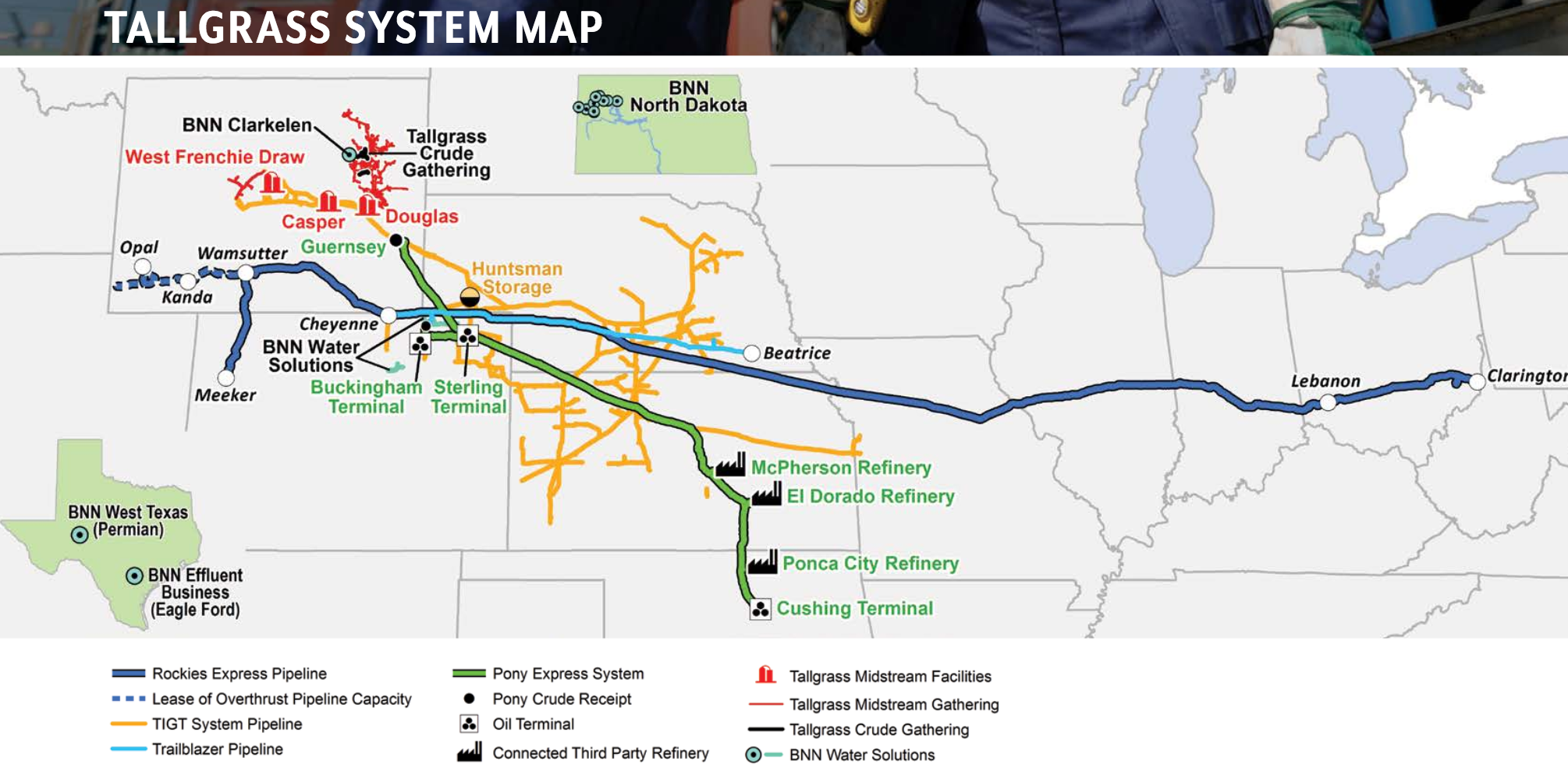 (Source:
 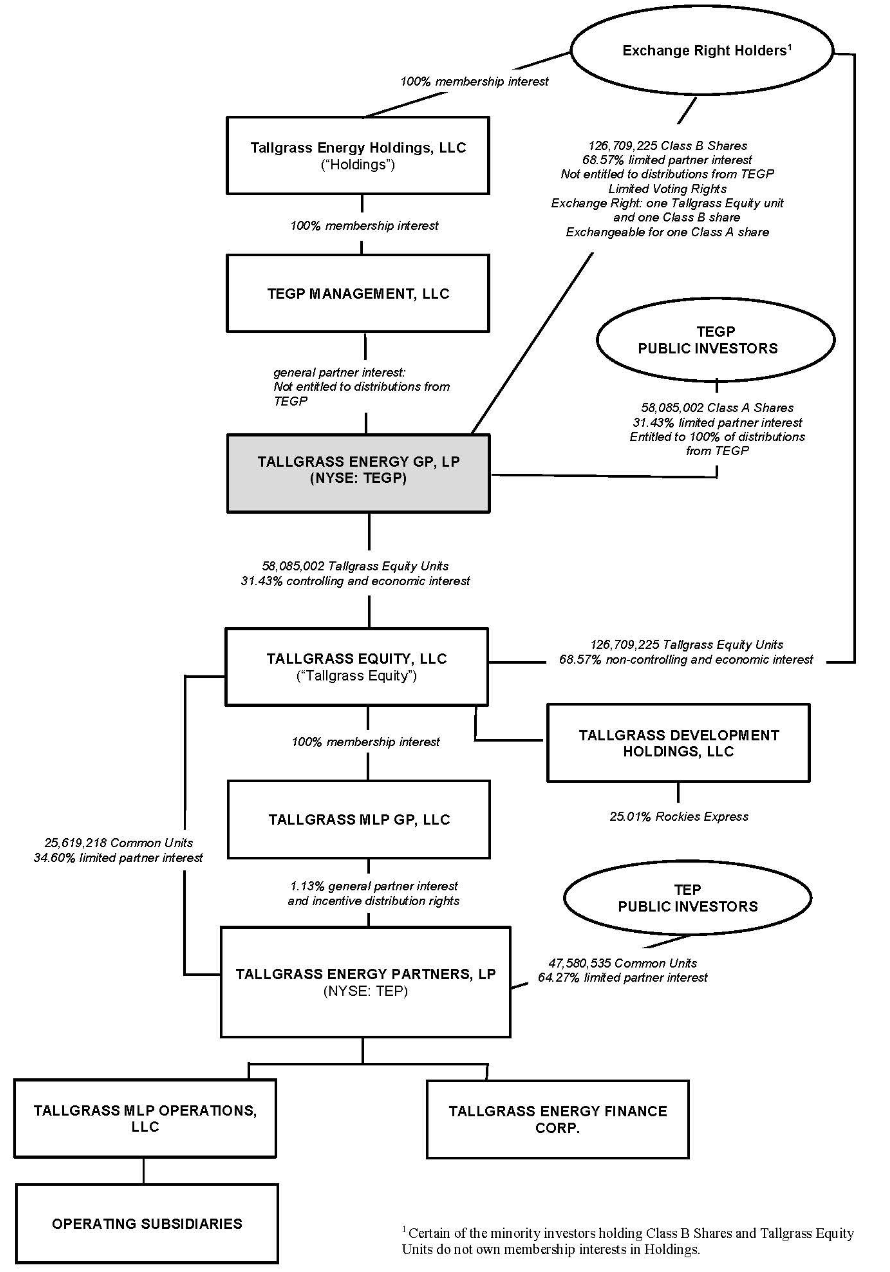 (Source: TEGP site)